
After ten years with one person, the first question is not whether you remember every dating rule. It is whether you are ready to meet people while rebuilding a life that used to center on a partnership. Dating again after a 10-year relationship often works best as a gradual return: rebuild your own routines, expect some awkward early conversations, and let new connections grow without asking each one to replace the relationship you lost. No required waiting period applies. What matters is how you respond when someone new shows interest, rather than the number of weeks since the breakup.
Published by Dating Again
Do You Need to Relearn Dating or Rebuild Your Sense of Self First?
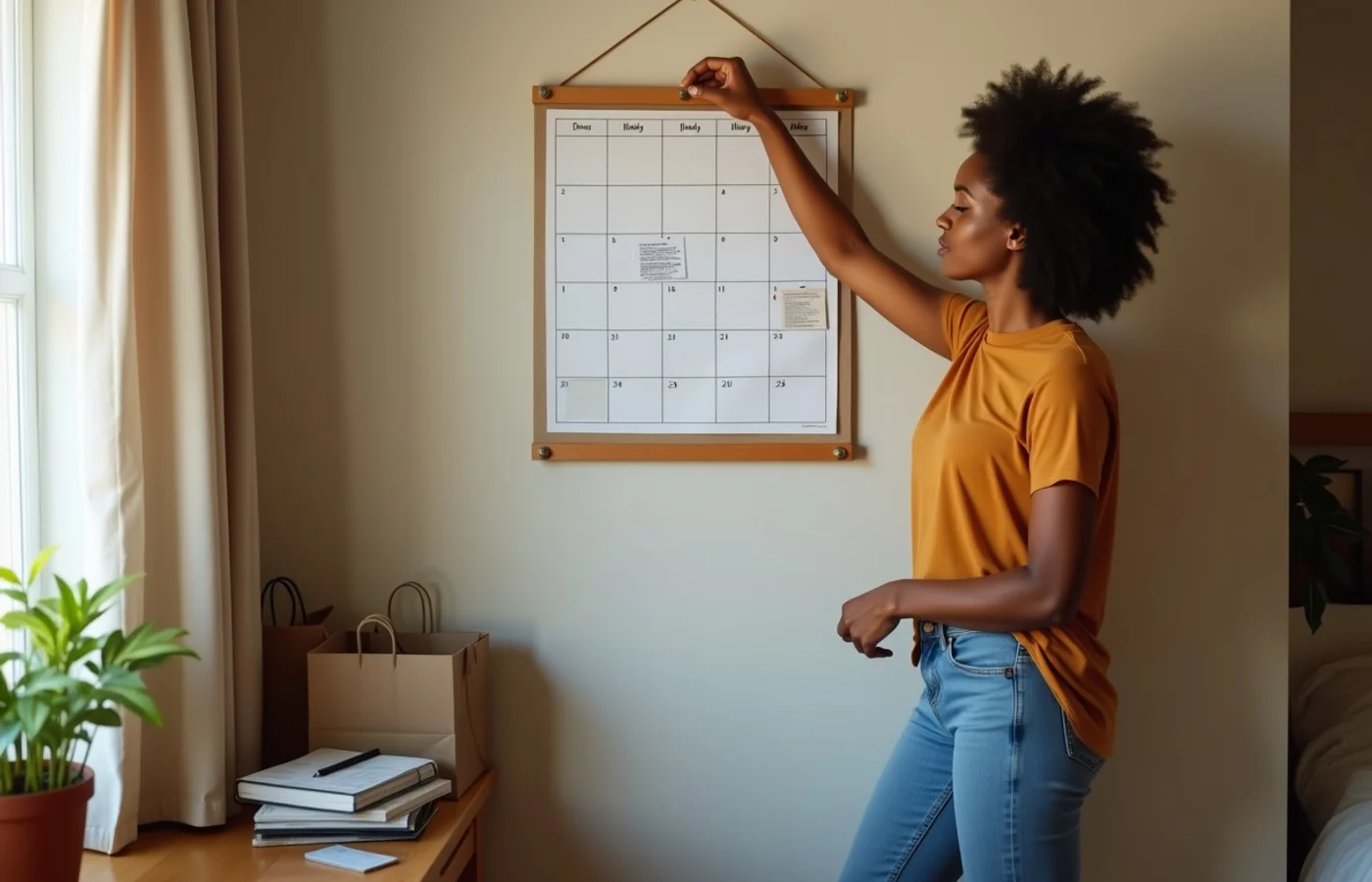
Dating unfamiliarity is fairly visible: you feel rusty making plans, reading interest, or deciding how much personal information belongs in an early conversation. Identity adjustment reaches further. Your week, future plans, and sense of yourself still make sense as part of a couple, while being single feels like an interruption. Which problem deserves attention first? If you still have work, friends, interests, and a home life that feel like yours, dating itself is the skill to refresh. If every new person gets judged by how well they fill the former partner's place, spend more time rebuilding your own footing before pursuing romance. You need neither perfect independence nor complete emotional closure. You need enough separation from the old relationship to notice the new person in front of you.
A Decade Together Can Shape Habits That Do Not Transfer to Dating
For ten years, a Saturday evening might have meant the same restaurant, shared errands, or a decision made with one familiar person. Plans ran through a household calendar; preferences were known without much explanation. Dating changes that arrangement. You choose a meeting place, state an interest, handle uncertainty, and learn another person's habits from the beginning. An awkward pause before choosing coffee does not mean dating has gone badly. It can show that couple habits have replaced some individual decisions. What matters more is what follows: if you keep waiting for someone else to organize the evening, practice making choices alone; if you edit every preference to avoid disagreement, reclaim a clear voice. Early dating should include choices based on personal taste, not only what once worked for two.
When Early Dates Feel More Like Social Practice Than a Search for a Partner

Advice to wait until you are completely over your ex sounds neat, but life rarely provides that clean finish line. Someone ending a decade-long relationship may still feel grief on some mornings and enjoy a new conversation that afternoon. Both can be true. Early dates work best when they answer small questions: Do I enjoy getting to know this person? Do I feel present during the conversation? Am I interested in another hour, or am I trying to prove that I have moved on? A 25-minute coffee near the train station before a 6 p.m. work shift keeps the meeting contained and leaves room to notice your response without turning the evening into an audition for a future partner. The first few connections can show you how your present life feels. A promising date can lead to another meeting without gaining immediate access to your calendar, identity, or long-term plans.
Your First Dating Experiences Can Show What Needs Rebuilding
A missed invitation often reveals social rust, not a lack of romantic interest. If you spend Friday rewriting a reply until the opportunity passes, choose a simpler response next time and accept that some awkwardness belongs to reentry.
If a new date leaves you curious while your work, friendships, and routines remain intact, arrange another meeting. If it leaves you scrambling for a substitute for your former partner or abandoning the life you are rebuilding, pause dating and return to those parts of your week before continuing.