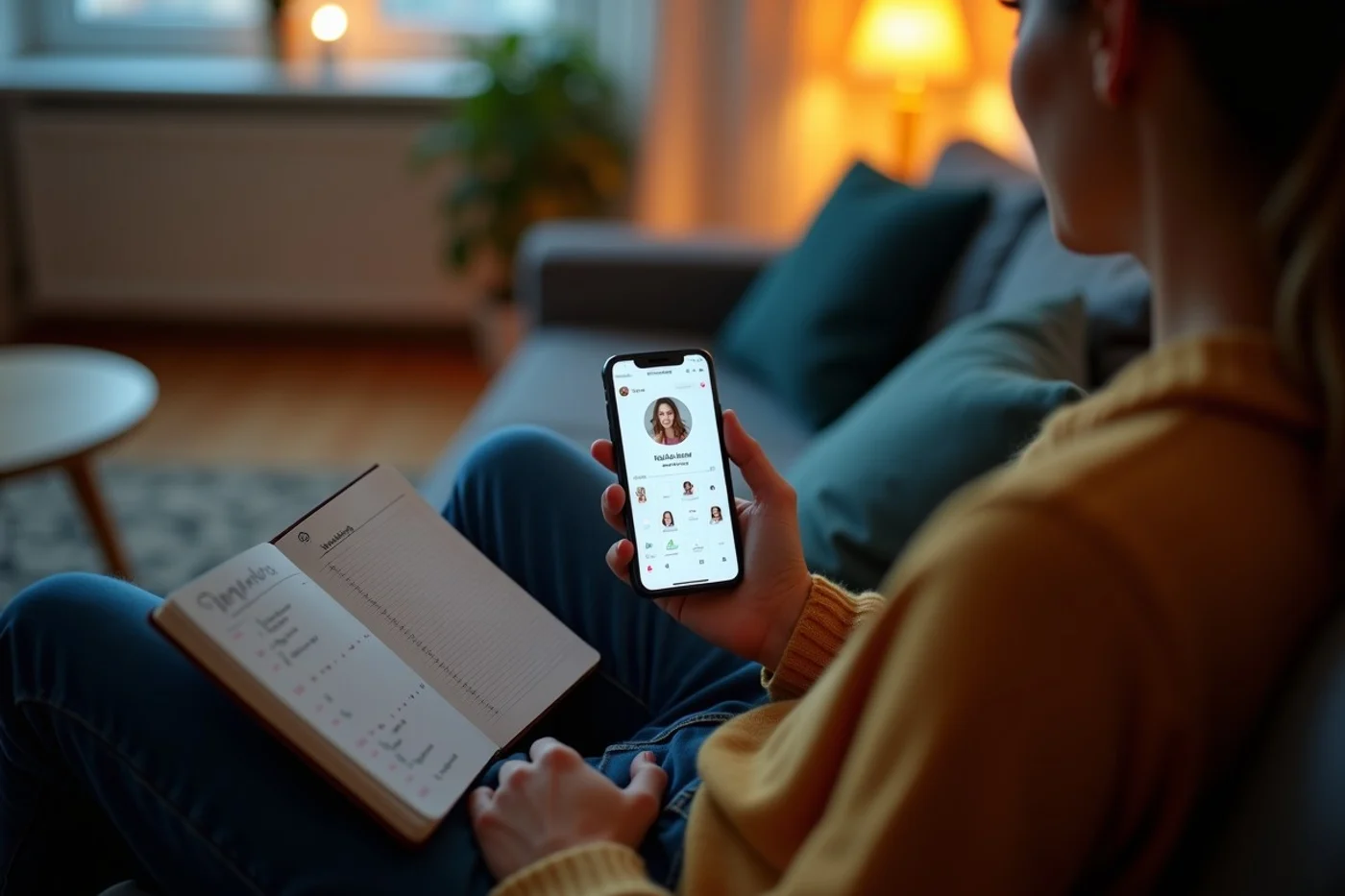
A dating app can turn one quiet evening into a stream of profiles, alerts, matches, and unfinished conversations. The first mistake is making every profile a decision. Start with one app suited to what you want now, set a few preferences, learn how matching and messaging work, and put a firm time limit on app use.
Published by Dating Again
When you open a dating app after years away
Begin with the dating goal, not the app's popularity. Look for an app whose stated purpose matches your current aim: meeting people casually, finding a committed relationship, or staying open while you learn what dating feels like again. Before settling in, check its current messaging rules, discovery controls, and pause or snooze options. Those details shape the experience more than a long list of advertised features.
Keep the first pass narrow. Set an age range and distance you can manage during a normal week, then mark one or two important preferences. Leave the rest for a real conversation rather than permanent filters. Missing one preferred detail does not automatically make someone a bad match. Start with one app and fewer decisions. Your phone should show a small set of possibilities, not become a second shift.
The swipe-match-message workflow
- Review a profile and use the app's like, swipe, or equivalent action to show interest. A pass removes that profile from your current discovery queue, subject to the app's own settings.
- A match happens when both people express interest. The app then places the connection in a match or message area. Do not assume every mutual match follows the same messaging rule: some apps let either person start, while others set who begins or impose a time limit.
- Open with something tied to the person's profile, then exchange a few complete answers. Look for basic reciprocity: both people respond, add detail, and ask something back. A match is an opening, not evidence of compatibility.
- Once the exchange has moved beyond profile facts and the interest feels mutual, suggest meeting in person. Keep the plan specific, such as coffee after work on Tuesday, so vague enthusiasm becomes an actual choice.
One app and a few firm limits make matching more manageable
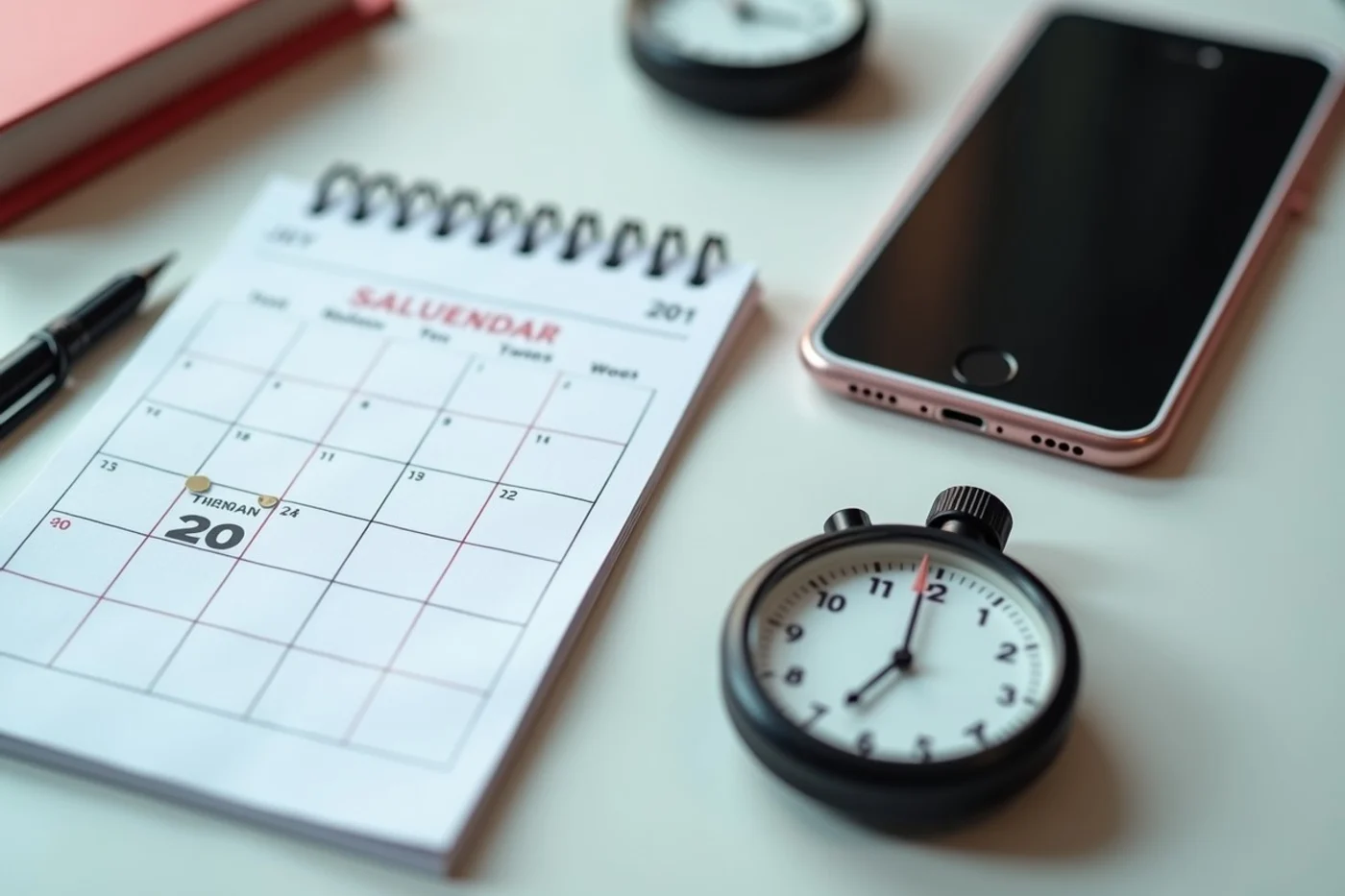
App overload usually begins with open-ended checking. A workable first setup is one app, three sessions a week, and about 20 minutes per session. Turn off push notifications and check messages during those windows. Replies will wait until then. In return, dating stays on your calendar instead of interrupting every spare minute.
Limit active conversations to three or four. That leaves enough space to remember what each person actually said and keeps a crowded match list from becoming a sorting exercise. When one conversation reaches the date stage, let the rest wait. Pause or snooze the account when the active list is full, your week cannot hold a date, or opening the app leaves you tense and distracted.
When should you keep messaging, suggest a date, or pause?
What counts as enough conversation before proposing a date? Look for a shared thread, responses that contain more than a single sentence, and some sign that the other person is curious about you too. Several thoughtful exchanges are usually more informative than a long chat that never leaves the app. Suggest a short meeting when those signs are present and both schedules offer a workable time.
Continue messaging briefly when interest exists but one detail still needs clarification, such as work hours, distance, or what each person is seeking. End the exchange when replies stay one-sided, plans remain vague, or you repeatedly do all the work. Pause the app when your attention is the problem rather than one match. A coffee and 45 minutes tell you more than another week of typing.
Start with one app, set two discovery preferences, and reserve your first 20-minute session on the calendar. Review a small number of profiles, keep only a few active conversations, and move an exchange where both people engage toward an actual date. That structure gives dating a place in your week without handing your entire week to the app.