
Dating has changed less than the logistics of risk: a plan that leaves you dependent on a near-stranger is a poor plan. For a first date after years away, meet in a staffed public place, travel separately, share the essential details with one trusted person, and retain control of your drink, belongings, and departure. Those arrangements leave room to enjoy the date without being stuck if the tone shifts.
Published by Dating Again
A first-date safety plan should preserve your control

Plan a meeting that keeps the basics in your hands: a public venue with staff and other people nearby, your own way there and home, and a time with a natural end point. A coffee shop, restaurant, museum, or busy bar works because you can leave on your own schedule. Before you have met and formed a reason to share more, your date can wait for your home address, workplace address, daily route, and full last name.
Order and carry your own drink, keep your phone and wallet with you, and do not leave a drink unattended. Check the current safety and reporting guidance inside the dating platform you used, especially before moving a conversation off the app. Requests for money, gift cards, bank details, codes, or an urgent financial rescue belong with the FTC's current scam guidance, not in a dating conversation. For concerns that feel more serious, look up local victim-support services or emergency resources before the date, when you have time to think.
Warning signs that a plan gives away too much control
A first location at their home, your home, a hotel, or an isolated place ties your exit to someone you barely know. So does accepting a pickup when you have not shared your address, then being urged to name a nearby landmark or building. Convenience is the surface explanation. The fact that separates an awkward suggestion from a bad arrangement is what happens after you propose a public venue and your own transport.
Someone who accepts that change without argument has left you with a workable date. Someone who sulks, bargains, calls you paranoid, or keeps returning to the pickup has made the decision for you: decline the meeting. There is no need to diagnose their motive before protecting your route home.
Unplanned changes deserve the same plain reading. A date who says the restaurant is crowded and proposes a nearby second public place presents one situation; a date who pushes for their apartment, car, or a drive elsewhere removes the setting you chose. Stay where you planned, select another public venue yourself, or end the date. Do not hand over your phone, bag, coat, or keys while sorting it out.
If an online match resists basic verification
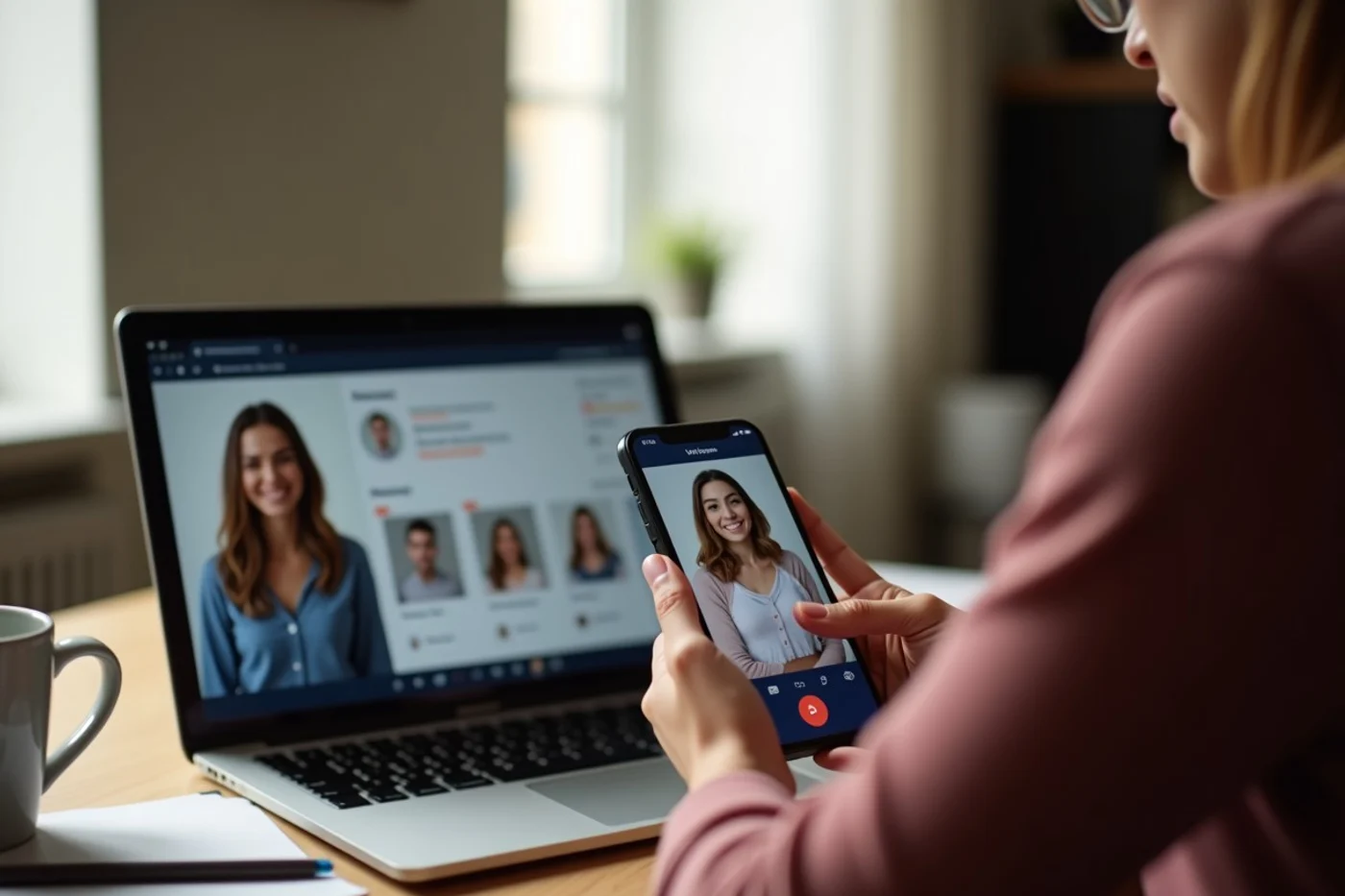
Basic checks narrow the gap between an online profile and a person you are about to meet. Use any identity or photo-verification information the platform displays, compare profile photos for obvious inconsistencies, and review publicly available information that matches the name, work, or details they voluntarily gave. A brief live video conversation before meeting is also a sensible request when the profile is sparse or the messages feel unusually polished.
None of those checks establishes character or safety. A real name, a video call, and a genuine social account only show that some details line up. When a match refuses a short call, becomes hostile about basic questions, or keeps producing excuses while pushing for a private meeting, stop arranging the date. You need no demonstration of deception before stepping back.
Arrival, transportation, and trusted-contact arrangements
- Set a public venue, arrival time, and planned finish time before you leave home. Pick a place where staff are visible and where you can reach your car, transit, or rideshare without relying on the date.
- Send a trusted contact the date's first name, profile link or screenshot, venue, time, and your transport plan. Share live location for the meeting only if that arrangement feels appropriate to you.
- Set one check-in shortly after arrival and one near the planned end. Agree in advance what a missed check-in means: a call, a text, or a request for help. Put that person's number where you can reach it quickly.
- Use your own car, transit, taxi, or rideshare. Bring a charged phone, enough payment for the trip home, and keep your wallet, keys, and outerwear with you. A separate ride remains useful even when the conversation is going well.
Signals to leave, relocate, or seek help
Leave when they ignore a stated limit, push alcohol or physical contact, try to isolate you, interfere with your transport, demand private information, or become angry when you say no. The situation need not be proven dangerous. Discomfort is enough to end a first date.
Move toward staff, a counter, security, or a group of people if leaving feels awkward or unsafe. Contact your trusted person from there. When you believe you face immediate danger, call 911 or use local emergency services. A short exit is sufficient: "I’m leaving now." Then leave.
A sound first date leaves you two clean options: meet in a public place on terms you control, or decline a plan that requires your address, their car, a private location, or a rushed venue change. Meet when the arrangements stay simple. Decline when they do not.