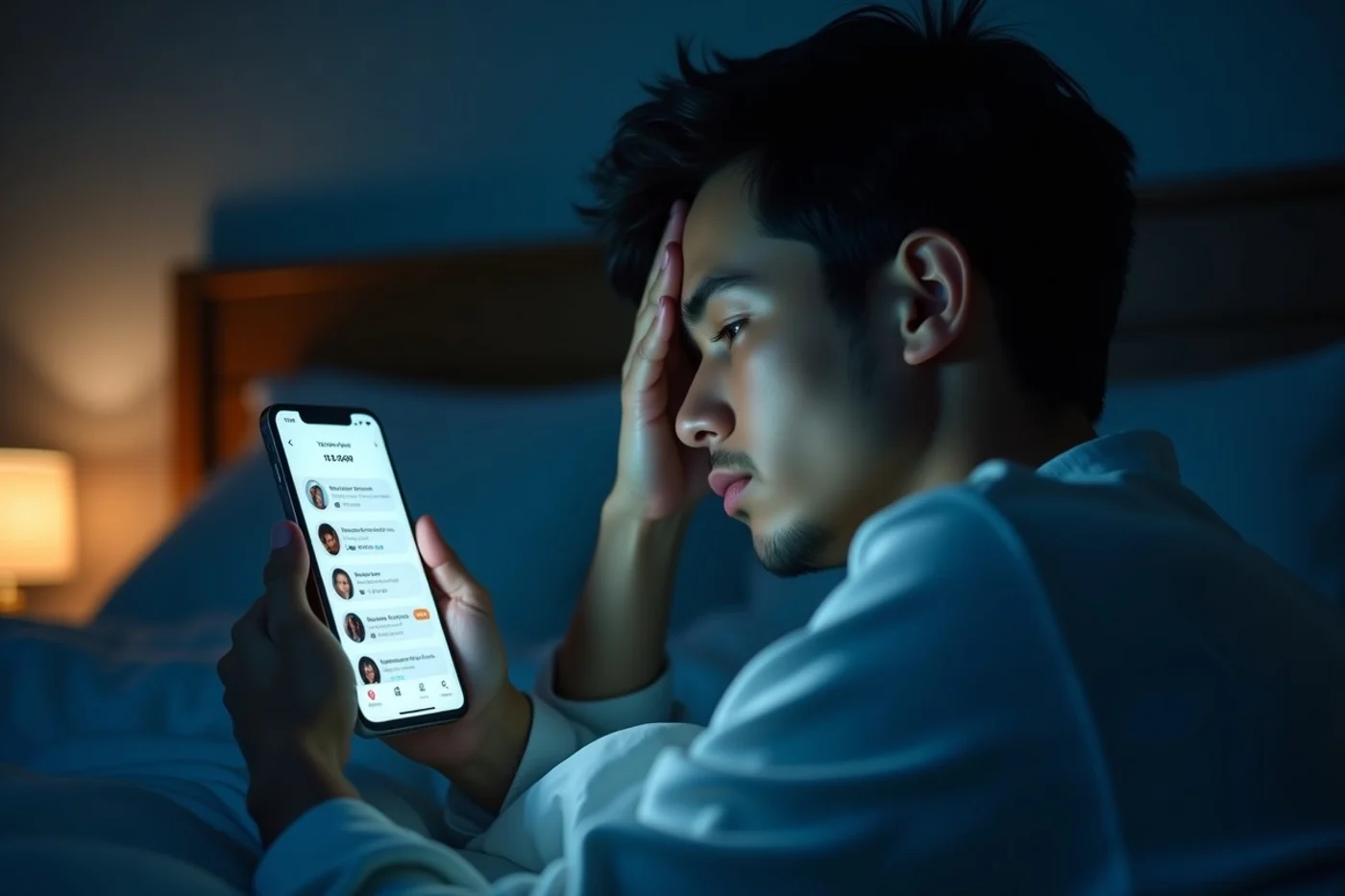
Picture a Tuesday at 10:30 p.m.: you open an app to clear one notification before bed and are still sorting profiles half an hour later. When dating apps feel overwhelming after a long relationship, shrink the routine to one app, scheduled sessions, limited chats, and alerts that stay out of your day. “Put yourself out there” is too vague; more activity does not produce better dating decisions.
Published by Dating Again
When every profile starts to feel like another demand

By the fourth introduction, the work begins to feel repetitive. You are learning unfamiliar app norms while reading dozens of compressed self-descriptions, deciding quickly, and wondering which likes or messages require a response. Notifications turn a private decision into a running task list. A quiet evening, a work break, and the last minutes before sleep all become possible app time.
After years with one partner, that volume is jarring. The strain often comes less from dating itself than from being asked to make small judgments all day: who to like, what to answer, whether a delayed reply means anything, and whether to keep browsing after a promising match appears. More swiping feels like staying open, yet it often scatters attention across people you will never meet. The app needs a boundary around it before it starts setting the pace of your week.
A manageable app setup
- Setup Step: 1. Use one app for the first two weeks Reason: A second or third queue multiplies profiles, likes, and unanswered conversations. One app gives you enough exposure without turning dating into a dashboard.
- Setup Step: 2. Mute nonessential notifications Reason: Likes, suggested profiles, promotional prompts, and daily reminders do not need immediate attention. Leave message alerts on only when you want timely replies, or check every message during planned sessions.
- Setup Step: 3. Set filters around real dealbreakers Reason: Use the distance you would actually travel, an age range that fits your life, and major relationship preferences. Add factors such as children or smoking only when they would rule out a connection. Broad filters create a larger pile, not a better one.
- Setup Step: 4. Remove the app from the first screen of your phone Reason: A less prominent icon interrupts reflex checking. You will still find it when a scheduled session begins, without opening it every time your thumb reaches for your phone.
Fewer active conversations reduce decision fatigue
Six open chats turn every evening into inbox maintenance. Three active conversations are a sensible ceiling for many people returning to dating apps after a long-term relationship. That number leaves room to remember what each person said and to reply without copying the same introduction across several threads.
Count a conversation as active when both people have exchanged messages recently and there is some actual interest. A match that has gone silent, a thread that feels dutiful, or someone you already know you would not meet does not deserve permanent space in the queue. Close it out in the app and let the slot stay empty for a while.
Limited chats also give an exchange enough room to show whether an in-person meeting seems worth arranging. A large match count is mostly noise. Attention is the scarce part.
How much time should you spend on dating apps?
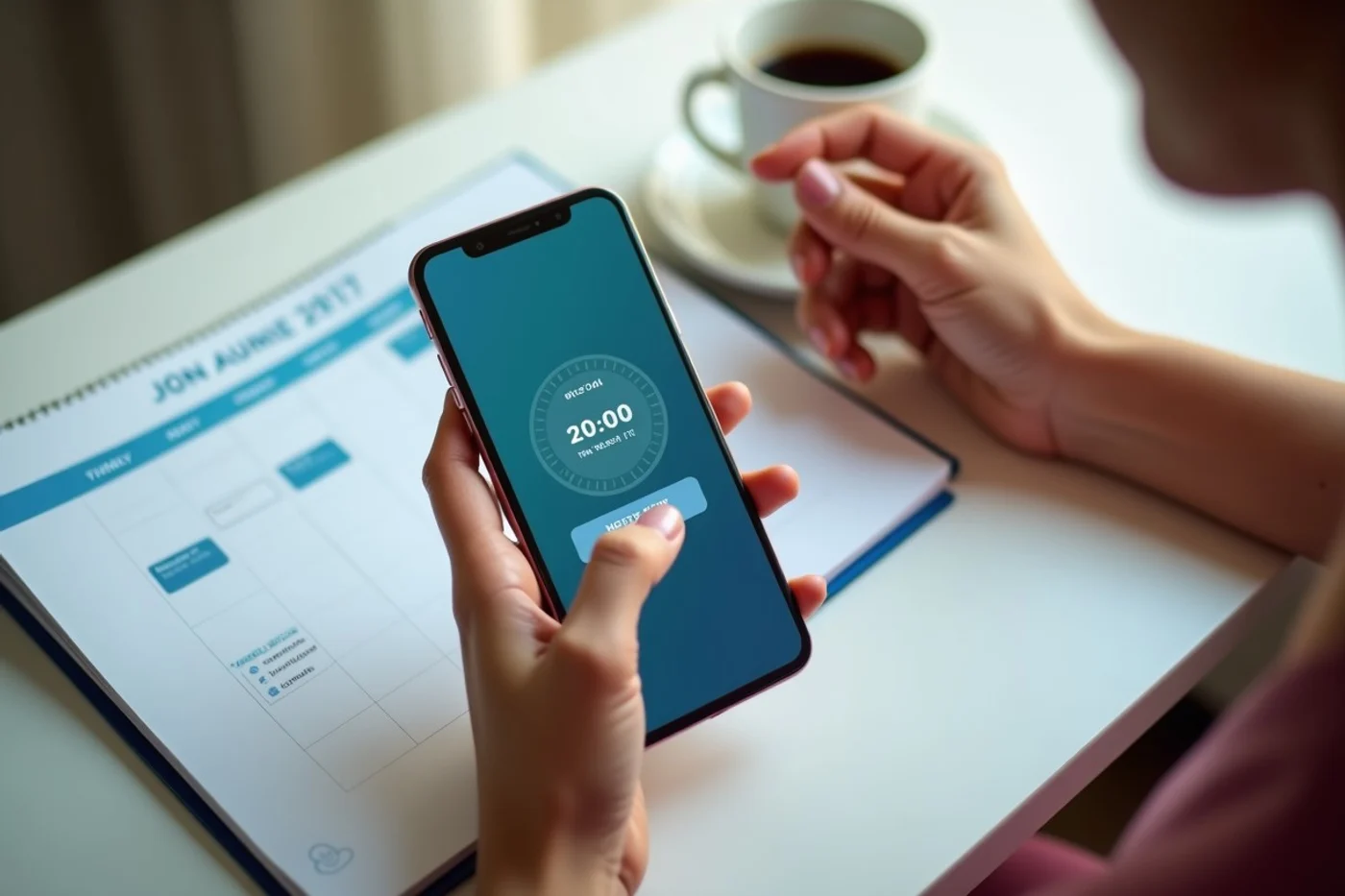
Checking during the commute, between meetings, over lunch, and again in bed makes the app feel endless because it never has a clear beginning or end. Put browsing into two or three windows that already fit your week. For example, 15 minutes on Wednesday evening and 20 minutes on Sunday afternoon gives the app a place without handing it every spare moment.
The amount should match your actual schedule and your mood afterward. Someone with a demanding week may use one short session. Someone who finds browsing pleasant and stays focused may use three. The timer ends the session even when there are more profiles. A phone-level app limit or calendar reminder helps enforce that boundary when habit takes over.
Message replies belong in a separate window if browsing and conversation pull your attention in different directions. That split stops a quick look at new profiles from becoming an hour of half-written replies.
Staying open while refusing compulsive swiping
Two 20-minute sessions each week keep new people in view while leaving the rest of life intact. An hour of late-night swiping after a lonely evening produces a different result: attention gets flatter, profiles blur together, and a promising match receives the same quick judgment as the fiftieth profile.
Compulsive swiping often carries the false promise that the next profile will settle uncertainty. It rarely does. Once every choice feels interchangeable, pause the feed. The app has stopped helping you notice a fit and started supplying distraction.
A smaller amount of browsing brings an inconvenience: there are fewer new faces on screen. That is a worthwhile limit when it leaves you more interested in the conversations already in front of you.
Signs the app is draining more than it is helping
Success is not a rising match count. Look at whether the app fits inside the time you assigned it, whether your filters are bringing up people you would actually consider, and whether conversations leave you curious or merely obligated. An empty match queue is not proof that the effort failed. It may mean the filters are doing their job or that this is simply a quiet stretch.
A temporary pause is warranted when you avoid opening the app for days but feel guilty about it, check it during work or social plans without meaning to, or feel irritated before reading a single profile. The same applies when every new person becomes an unfair comparison to your former partner or every unanswered message feels personal. Those reactions mean the app is taking more attention than it returns. Continuing out of momentum usually deepens the exhaustion.
Pause before burnout takes over
An app left unopened for a week is often asking for a deliberate pause, not a burst of catch-up swiping. Pick a review date before you log out: two weeks from now, the first Sunday of next month, or another date you will notice. That turns the break into a decision with an endpoint, not a vague promise to return someday.
Clear the app before the pause. Archive or unmatch conversations that have stalled, remove likes you know you will not pursue, and mute every alert. When the review date arrives, assess the break by one question: does reopening the app feel like a contained activity, or like another demand you are avoiding?
A restart needs narrower limits than the routine that wore you out. Return to one app, a set number of browsing sessions, and no more than three live conversations. There is no prize for resuming at full speed.
Put one 15-minute browsing session on your calendar this week and mute all app alerts outside it. That small test tells you more than a month of distracted swiping: whether dating apps fit your life at their current size. Expand the routine only after that session leaves you interested, not depleted.