
A partner's lack of marriage history is neither a warning nor a credential. Dating someone who has never been married after divorce works when both of you speak plainly about the life each expects now: commitment, household plans, family ties, and timing. Regard the difference as context to explore, not a verdict on either person's seriousness.
Published by Dating Again
Relationship History

Marriage leaves behind experience with shared bills, holiday negotiations, household labor, family expectations, and the daily strain of making decisions with another adult. Divorce also leaves a former structure to sort through. A divorced dater may have children, an ongoing connection to extended family, a changed housing arrangement, or firm views about what living together requires. None of those facts make them more grown-up than a never-married partner.
Someone who has never married may have had long, committed relationships, cared for relatives, built a home alone, or simply never found a reason to formalize a partnership. Their history may contain fewer marriage-specific obligations, yet it still tells a story about attachment, conflict, independence, and long-term plans. The meaningful difference lies in what each history has taught them and what remains active in daily life.
A Divorce Changes the Context of New Dating
A divorce gives future planning a sharper edge. Questions about trust, shared money, moving in, conflict, and marriage no longer feel theoretical to someone whose earlier plan ended. That experience can produce healthy clarity: they know affection alone does not settle chores, spending, personal space, or family loyalties. It can also leave a person wary of quick promises or especially alert during an argument.
Neither response establishes emotional availability on its own. A divorced partner is not automatically guarded, and a never-married partner is not automatically casual. One person may want a slower courtship because they value time before joining lives; the other may want an early answer about exclusivity because uncertainty feels wasteful. The issue is whether their expectations leave both people with a relationship they recognize as worth building.
Experience Does Not Equal Readiness
The decision is not between a seasoned partner and an inexperienced one. It is whether the person you are dating is available for the kind of relationship you want. A former spouse may still organize every new disagreement around an old wound, remain entangled in resentment, or seek a new partner mainly to restore the feeling of being coupled. Years of marriage do not cure those problems.
A never-married partner may have the emotional range, reliable habits, and desire for commitment that a lasting partnership requires. They may also avoid difficult conversations or keep one foot outside the relationship. Marital status supplies background, not an answer. Pay attention to how each of you handles a disappointment, keeps plans, and speaks about a future that includes another person's needs. Those actions carry more weight than the number of years on either biography.
When Your Histories Surface Early
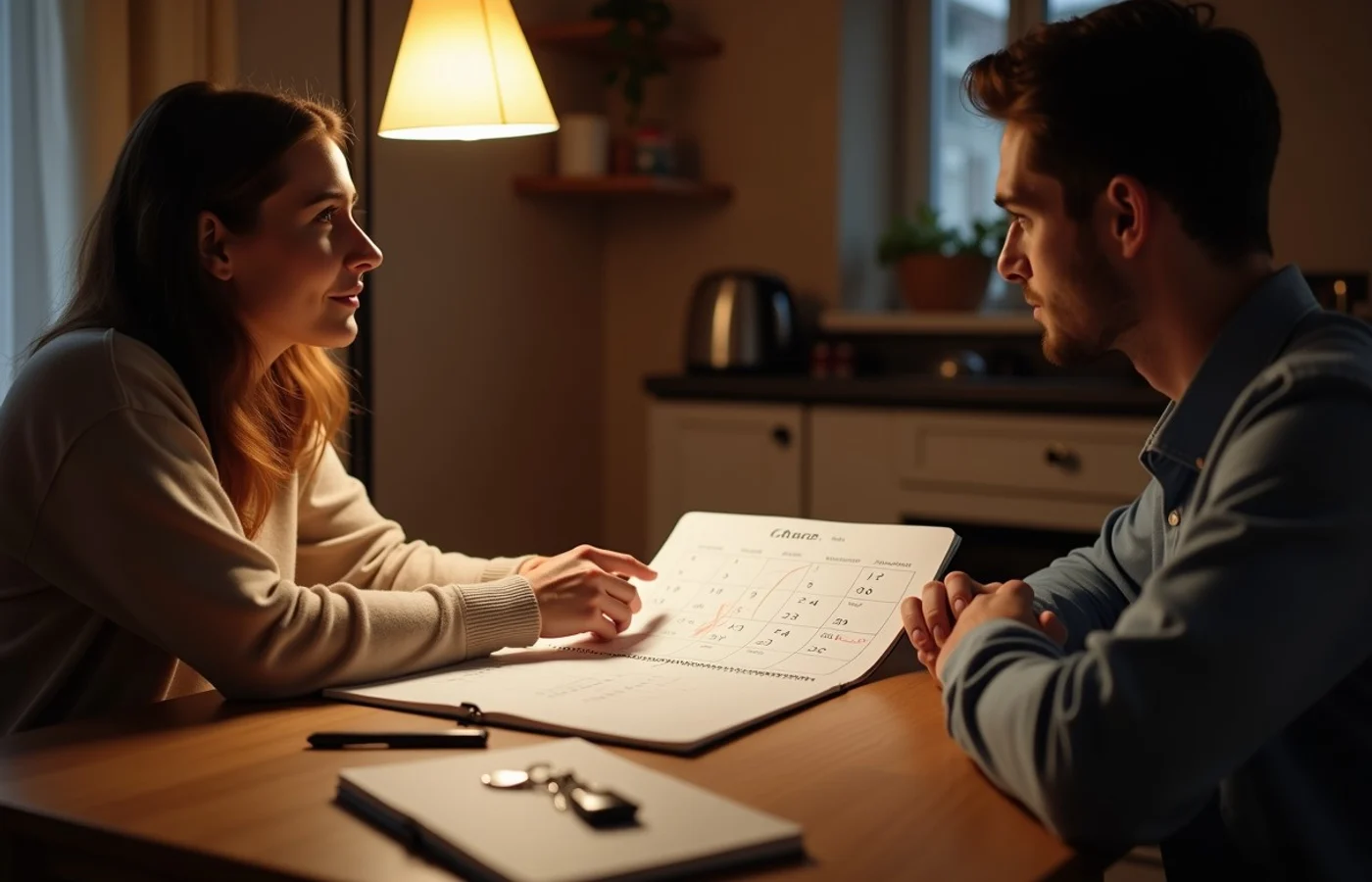
Differences often appear at familiar milestones. One dater may see an exclusive label after several dates as a sensible way to focus; the other may need more time before naming the connection. Living together can carry very different meaning after a divorce, especially when a prior shared home was difficult to leave. Family involvement also changes the calendar: meeting close friends, adult relatives, or children is a major step for some people and a casual dinner for others.
Long-term plans deserve the same attention. One person may picture marriage again, another may want a committed partnership without it, and a third may still be testing what dating feels like after years away. Trouble begins when those positions stay hidden because each assumes the other shares them.
What Do You Both Want From Commitment?
Marriage means a legal and public commitment to some people, a cherished personal promise to others, and an institution they have no wish to enter. A divorced dater may want to remarry with more intention. A never-married dater may have wanted marriage for years, or may regard a lasting partnership without marriage as fully complete. Neither position needs defending, but they need naming before affection outruns agreement.
Questions worth putting on the table include these: Does either person expect marriage in a future partnership? What would a committed life without marriage look like in daily terms? Is exclusivity desired now, later, or not at all? How would a shared home, family involvement, or separate finances fit into that future? Continued exploration is a valid answer early on, provided it is presented honestly and not dressed up as a promise.
Talk About the Differences Without Turning Them Into Defects
Uneven marriage experience becomes corrosive when it turns into a ranking system. The divorced partner need not cast themselves as the authority on adult commitment. The never-married partner need not defend their life as incomplete. Both positions reduce a living relationship to a résumé.
Name the present need in plain terms. More time before meeting family, a clear conversation about exclusivity, separate homes for now, or an honest answer about marriage are clear subjects. Framing the request around an old marital status invites an argument about identity. Framing it around what needs to happen next keeps the discussion on the relationship itself. Care shows up when each person takes the other's history seriously without casting it as a flaw to correct.
Compatibility Is Proven in the Relationship You Build
Compatibility appears in present-day conduct: plans are kept, difficult topics receive an answer, disagreements do not become character trials, and both people account for the life the other already has. Watch what happens after a missed expectation or a hard conversation. Does repair occur, or does one person withdraw, dismiss, or punish?
A former marriage and no former marriage are facts. They are not the relationship. When commitment, treatment of conflict, and future plans line up in daily life, the history difference has found its proper size. When those things clash, matching marital histories would not solve it.
Before treating the connection as serious, have one direct conversation about what commitment means to each of you and how a shared future would take shape. Then let the following months answer the larger question through conduct. A relationship deserves confidence when both people show up for the terms they have named, not when their pasts happen to match.