
Dating after divorce works best when your parenting calendar sets the limits: reserve a modest number of child-free evenings, explain your availability early, and handle changes promptly. A Tuesday dinner scheduled during your parenting time gets moved before a sitter is booked, while a Saturday without the children stays open for dating, errands, or rest.
Published by Dating Again
The co-parenting constraints around your dating life

Dating alongside co-parenting works when your plans reflect the obligations already fixed on the calendar: exchange times, school pickup, practices, medical appointments, homework, meals, and the adult who covers a sick-day call. A free-looking evening can disappear when a delayed handoff, a forgotten instrument, or a child who needs collecting changes the plan.
Read the custody schedule as more than a list of overnights. Transportation routes, work hours, childcare arrangements, and the distance between households determine how much time actually exists before and after a date. Parenting time also brings periods when your phone needs to stay on and you need to be able to leave promptly. That is part of the arrangement, not a flaw in your interest in dating.
Count the commitments that cannot move, note which responsibilities arrive without warning, and mark when another adult is reliably available. With those facts mapped out, dating stops competing with a vague idea of family time and takes its place alongside the responsibilities already part of your life.
A workable dating rhythm protects parenting reliability
An empty evening is not automatically a date night. Some child-free time needs to absorb laundry, work spillover, sleep, friendships, and the small tasks that pile up during parenting days. Dating every available slot quickly turns a new connection into another obligation with a reservation attached.
Set a pace from the time that remains after those commitments. One date in a week or every other week is plenty when you are returning after a long relationship; frequency can grow when it fits your life without borrowing from the rest of it. A Thursday night after an exhausting school-week handoff may be better left open, even when it is technically free.
Give plans a home on the calendar, then leave some unscheduled space around them. That margin means a late pickup, a forgotten school item, or a tired evening does not force you to scramble. Dating should fit alongside parenting, not consume every hour when the children are away.
Privacy for your dating life without secrecy from your children
Early dating belongs outside family conversation. Children do not need names, app updates, photos, or an account of each dinner plan. A simple, age-appropriate answer about having plans is enough when they ask. That keeps adult life private without turning it into something loaded or suspicious.
Secrecy begins when a child is asked to cover for a parent, delete a message, keep a visitor hidden, or manage one parent's reaction. Those requests put the child inside an adult arrangement. Never make them the keeper of your dating information. They need to know that the adults handling their care will be honest with them about matters that affect their day-to-day life.
Picture a Saturday morning when a child notices a parent getting ready to go out and asks where they are going. "I have plans this evening, and you'll be with Dad," answers the question without handing over details that serve no child-related purpose. Apply the same rule to casual questions after a date: be warm, brief, and move on to the child's own plans.
If custody plans change before a date
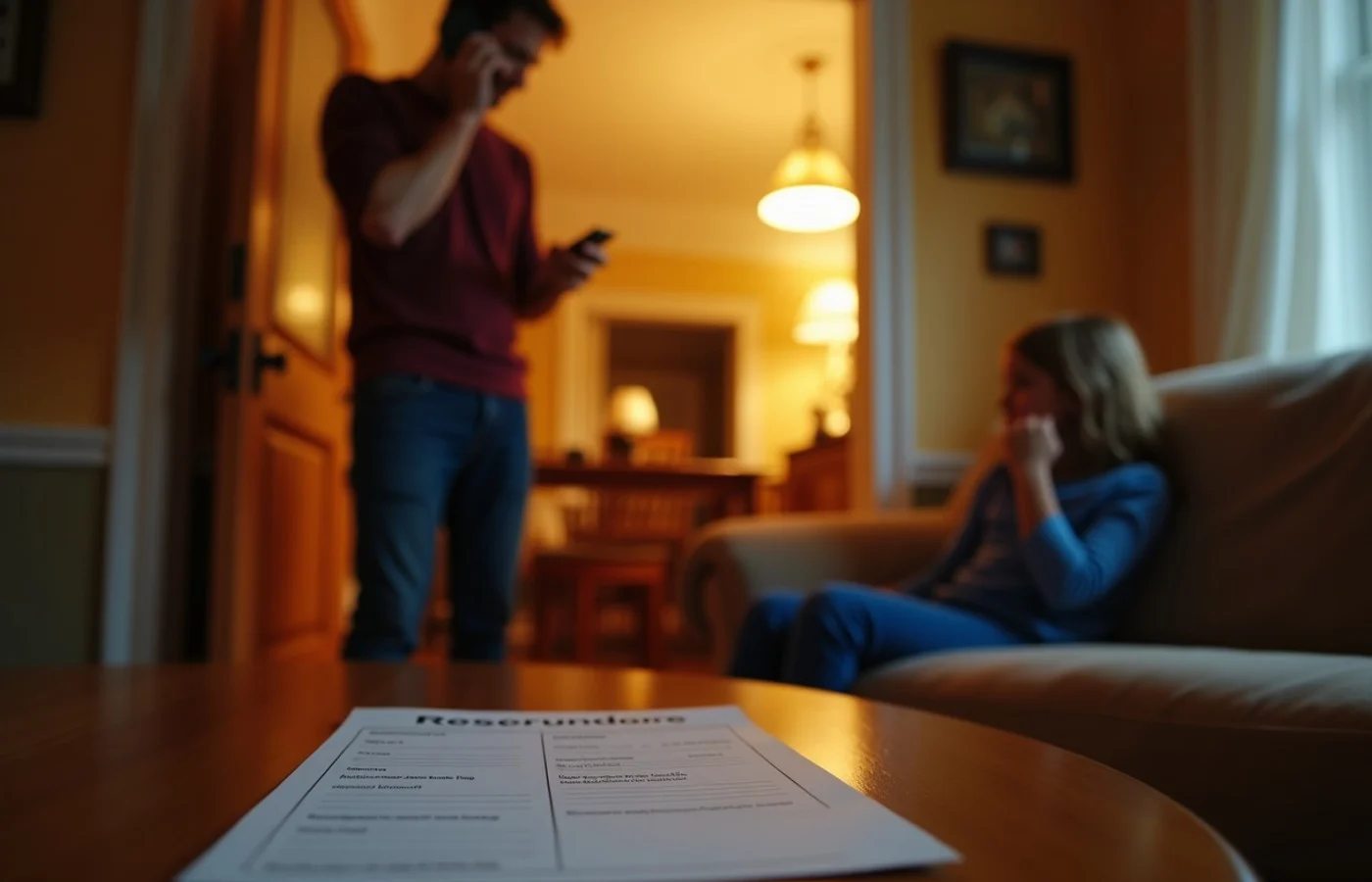
When a custody handoff falls apart, the child’s immediate need takes precedence over dinner plans. A sick child, a missed pickup, or a co-parent delayed by an emergency calls for a quick decision and prompt notice to the person expecting you. Waiting until the reservation time passes turns a family obligation into a dating problem. Cancel as soon as the change is known; suggest another day only when you know your calendar will hold it. At 5:20 p.m., an after-school program calls because the other parent is stuck in traffic. The evening is over, and the date deserves to know before leaving home.
An occasional cancellation is part of parenting. A repeated run of cancellations means the issue is no longer a one-night interruption. Look at what keeps changing: exchange times, childcare, work travel, or agreeing to dates on nights that repeatedly become parenting time. Shift dates to a more dependable window or pause scheduling until the calendar settles. Family demands need no disguise; timely notice and fewer promises build more trust than a string of apologies.
What should you tell a co-parent about your dating life?
Shared parenting requires information that changes the child's care: a swap in pickup coverage, a different overnight contact number, or another adult taking responsibility during your scheduled time. Give the detail needed to prevent confusion or leave a child without a reachable parent. Keep the exchange tied to the calendar, handoff, and emergency contact plan.
The identity of an early date, the pace of the connection, and the reasons you are dating remain yours. No co-parent is entitled to a report before you go out or approval of your personal life. When a conversation drifts into accusations or curiosity, bring it back to the child-related fact that requires coordination. That line keeps co-parenting from becoming surveillance.
Explain your availability clearly to the person you are dating
Dating someone with children requires an accurate picture of the week. Explain which evenings usually belong to parenting time, when you handle school or activity transportation, and when you are genuinely free to meet. An open calendar slot is not automatically dating availability if it is also your only time to rest, manage errands, or prepare for the next custody exchange.
Let the person know that replies can slow down while you are caring for your children. Your attention belongs with them during dinner, homework, bedtime, and unexpected care needs. A short explanation about delayed responses sets a fair expectation without turning your children’s routines into a running report. Limited spontaneity is part of your schedule, so early dates generally need advance planning.
A custody change can also affect a date after plans are made. Explain that occasional adjustments happen and that you will communicate promptly when parenting duties take precedence. The person you are seeing should understand both your usual availability and the limits of last-minute planning. Their response gives useful information: consistent interest works with your actual calendar, while repeated frustration about parenting responsibilities points to a poor fit.
Signs your current dating setup needs to change
Repeatedly missing a school pickup, arriving drained for a Saturday with the children, or backing out of family plans to salvage a date is not a dating problem in isolation. It means the calendar is taking more than it gives. Cut the number of dates, reserve one evening that leaves the next morning clear, or pause new plans during weeks already packed with school events, travel, or illness. A connection worth pursuing will survive a narrower schedule.
Resentment and concealment call for a different fix. When children are asked to cover for an unexplained absence, or exchanges with a co-parent become recurring fights about personal plans, move dating farther from handoffs and family commitments. Stop using parenting time as a bargaining chip. Put dates only in time already assigned to you, and review whether the arrangement leaves you reliable, rested, and present at home. If it doesn't, change it before promises keep breaking.
Let your custody schedule, parenting duties, and family stability decide the pace. Share enough with a date to set honest expectations, keep early dating details private from children, and give your co-parent only the information needed for shared logistics. When dates repeatedly cause broken commitments, exhaustion, or conflict at home, reduce the frequency and repair the schedule before adding another plan.