
At a dinner, a class, or a friend’s birthday, extra attention can feel startling when you have spent years in one relationship. Flirting is most likely when someone repeatedly singles you out, keeps the exchange going, and looks for a reason to see you outside the shared setting. One warm compliment or lingering glance is not enough to settle the question. People are often charming, chatty, or physically expressive without making a romantic offer.
Published by Dating Again
When a Familiar Interaction Starts Feeling More Personal
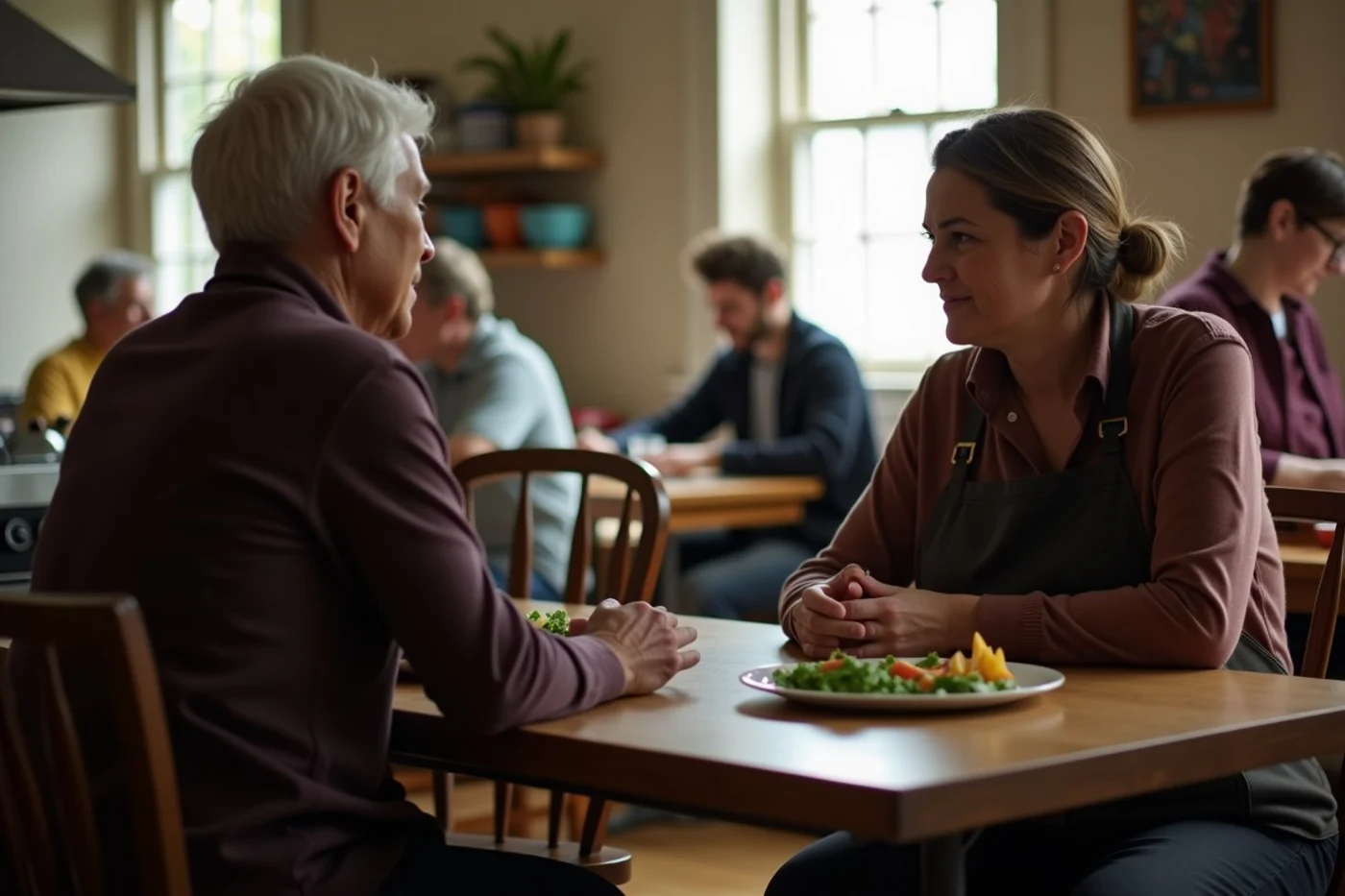
The shift often begins in a place where you already know each other. A neighbor stays after everyone else has gone home. Someone at a weekly volunteer shift remembers a detail from a conversation two weeks earlier and brings it up again. A friend of a friend steers their chair toward you during a group meal, teases you gently, then asks about your weekend plans.
None of these actions settles the question by itself. Some people hold close eye contact with everyone, and some ask personal questions because they enjoy talking. Standing close is especially hard to read in a crowded kitchen, loud bar, or around a shared table. What matters is whether they turn their attention back to you when they have no social reason to do so.
Flirting Usually Appears as a Pattern of Attention
Interest often carries the conversation forward. They listen, respond to what you said, and add some playfulness that you return. Their compliments go beyond basic politeness: they notice your dry sense of humor, the story behind your work, or how you handled a difficult moment. Follow-up questions show they want to keep talking, not simply fill a quiet moment.
Body language adds weight when it matches the words. They face you, hold eye contact, smile after you speak, and find a reason to remain nearby. Then comes the part that matters most: they make contact after the event, extend a conversation that could have ended, or raise the possibility of time together one-on-one. Attention that continues after the room empties carries more meaning than a lively ten minutes at a party.
The Setting Helps Explain What the Signals Mean

At work, friendliness often serves the job. A colleague who checks in, laughs easily, or stands close during a meeting may simply be making the day run smoothly. Read workplace attention cautiously, especially where seniority, team dynamics, or a shared reputation are involved. Personal contact outside work and a clear invitation carry more weight than office banter.
Friends and group settings can make this harder to read. Warmth toward the whole room is not the same as singling you out. Pay attention when they find you before others arrive, come back after an interruption, or suggest something outside the group. A compliment about your appearance at a party means little by itself; making coffee plans for the following week says more.
On an app or after a first meeting, messages have less background context. Fast replies are not a romance meter; jobs, children, travel, and sleep exist. Look at whether they answer your questions, introduce new topics, and move toward an actual meeting. Endless messaging with no plan is often just endless messaging.
Could This Be Interest or Just Friendliness?
- Friendly Attention: They are warm in the moment and engage much the same way with several people. Likely Flirting: Their attention returns to you across separate interactions and has a more personal tone.
- Friendly Attention: Conversation stays attached to the event, task, or group. Likely Flirting: They ask about your life beyond the setting and remember what you told them.
- Friendly Attention: The exchange ends when the gathering or task ends. Likely Flirting: They find a reason to continue contact or make a one-on-one plan.
- Friendly Attention: Teasing or compliments land without any change in the level of contact. Likely Flirting: The warmth builds gradually, and they respond when you show interest in return.
Respond Clearly Without Guessing Their Intent
- Stay in the conversation a few minutes longer, ask a personal follow-up, or acknowledge a compliment warmly. Their response tells you more than trying to decode the first signal did.
- Mention an event, coffee, or a walk connected to something you have discussed. A person who is interested usually helps turn that opening into a real plan.
- Suggest meeting one-on-one and frame it as a date if ambiguity would bother you. The slight awkwardness lasts seconds; weeks of reading tea leaves are inefficient.
- Keep your replies polite and brief, decline plans you do not want, and stop feeding flirtatious banter. You do not owe a large conversation to someone whose interest you never invited.
Let effort outside the shared setting guide your next step. Someone who seeks you out, remembers what matters to you, and makes time to meet one-on-one is showing more than passing friendliness. Offer a small opening when you are curious. When things remain vague or one-sided, treat it as a pleasant interaction and move on.