
Once a date has crossed from nervous to clearly unpromising, staying for the full reservation often creates a false sense of interest. End it at the next natural pause, with a short thank-you and no promise of more contact. A dramatic reason isn’t required. Courtesy is enough.
Published by Dating Again
Is There No Connection, or Does the Date Just Need More Time?

First-date nerves often look like short answers, a few awkward pauses, or a conversation that takes twenty minutes to find its footing. Those moments alone don’t call for an early exit. Give the date enough time to move beyond introductions and basic work, family, or hobby questions.
A different feeling emerges when curiosity never arrives. You’re counting minutes, your answers feel dutiful, or something concrete clashes: their manner is consistently dismissive, their life plans sharply conflict with yours, or the conversation leaves you flat after several attempts to engage. That is enough information. Staying longer rarely produces a different answer; it usually turns your discomfort into their confusion.
A Clear Exit Can Be Brief and Respectful
A short exit works because it ends the evening without turning the other person into a problem to be solved. Thank them for meeting, state that you’re heading out, and leave the interaction there. A detailed account of why the attraction isn’t present often lands as a critique, even when it is meant gently. Invented obligations are worse. They leave the other person waiting for a rescheduled date that was never coming.
The important line is between politeness and encouragement. Warm manners are fine; comments about future restaurants, future outings, or how much fun the two of you will have later are not. An early exit doesn’t require an announcement that they have failed some test. It requires conduct that matches your decision.
In a hypothetical bar date, Dana stays for another drink, mentions a restaurant they should try, and sends an especially warm goodnight. The other person reads that as interest. Had Dana left after the first drink with a simple thank-you, the evening would have ended with far less confusion.
When You Want to Leave Before the Date Is Over
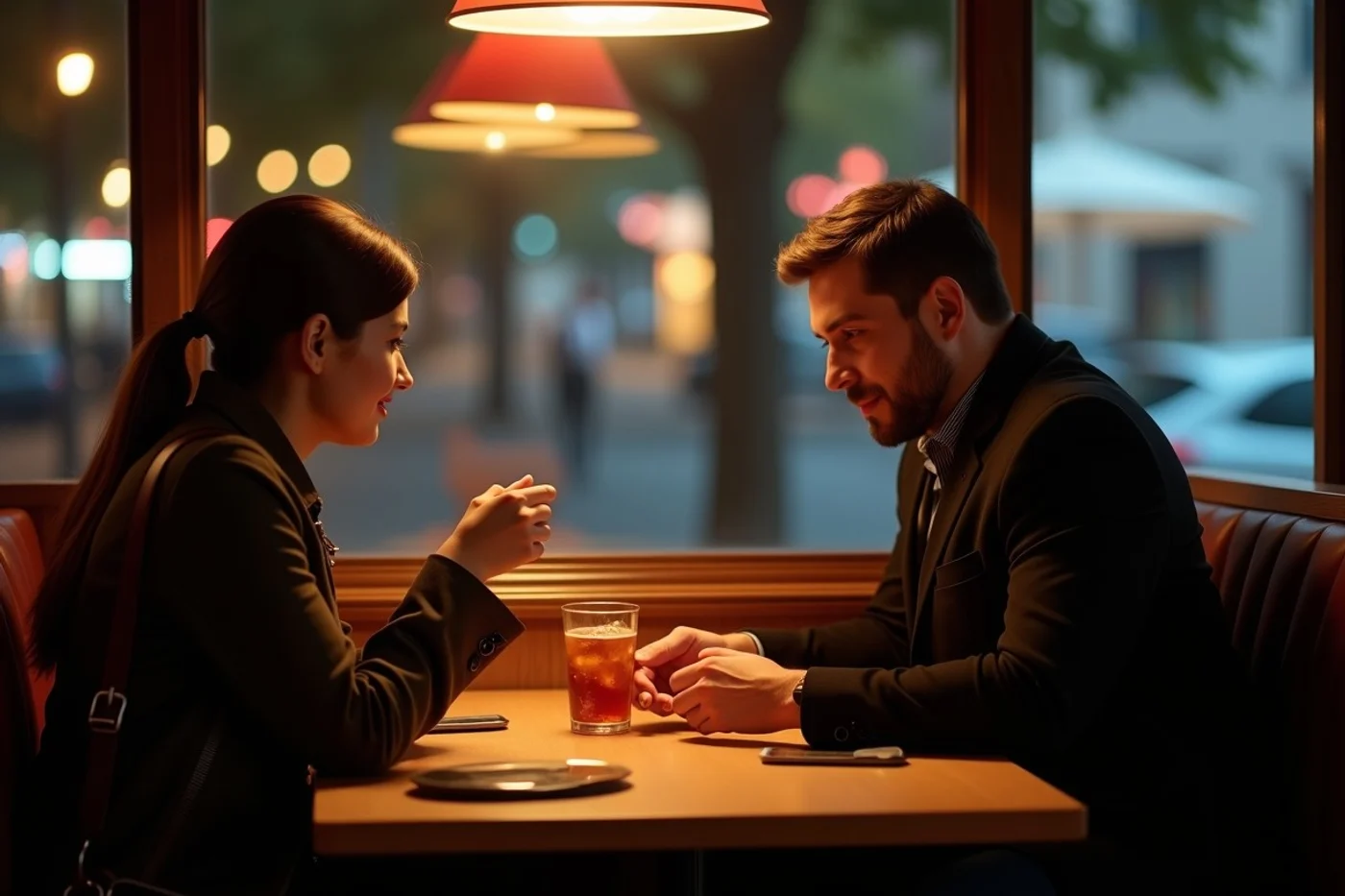
Leaving early is appropriate when you’ve reached a firm conclusion, even when the original plan was longer. A 7 p.m. Tuesday dinner might have been expected to last two hours; by 7:45, the conversation may have made the answer plain. Finish the current course or drink, settle the immediate logistics, state that you are ending the evening, and go.
Coffee dates offer a clean stopping point after the cup is finished. At dinner, ending after a course is less abrupt than rising halfway through a meal. A second venue should be declined once you know you’re done. Extending the evening out of guilt sends a stronger message than a courteous departure ever will.
No fabricated emergency is needed. A direct, calm departure is kinder than a story that unravels later.
Signs That Politeness Is Turning Into Mixed Signals
Politeness turns misleading when your behavior carries more enthusiasm than your decision. Discussing future plans, lingering after you have decided to go, prolonged flirting, physical affection you don’t mean, or promising a text you have no intention of sending all create an expectation that the date went well.
Brief kindness leaves a little disappointment and a clean ending. The other option buys short-term relief at the table, then hands both people an awkward follow-up. Let the goodbye be warm, but let it also be final.
The Bill, Transportation, and Follow-Up Text
Money and transportation deserve a few direct moves before you leave. Settle your share of the bill promptly when splitting was already understood. If the other person pays, thank them without treating the payment as a reason to stay longer or accept another outing. Paying for dinner never purchases more of your time.
A separate route home keeps an early departure simple. When one person drove, arrange a drop-off at the original destination or call your own ride if the plan has changed. Avoid accepting an unplanned stop for dessert, a drink, or a long goodbye merely because the ride is shared.
A concise follow-up text is appropriate when your exit only addressed the time and your lack of interest was not unmistakable. Send it after you are home and state that you won’t be pursuing another date. If they ask why, a broad, honest answer about not feeling the connection is sufficient; a point-by-point explanation is not owed.
Before your next first date, choose a format with a natural stopping point: coffee, one drink, or a short walk. When the connection isn’t there, use that stopping point. Leave at the first clean break, handle the bill and ride home without delay, and send one honest follow-up when the ending left room for doubt.