
A fast-moving online romance becomes dangerous when affection is used to separate you from your money, accounts, or judgment. End the connection when a match pairs a hidden identity with pressure, secrecy, or any request for funds or access. Pause there. No money ever.
Published by Dating Again
Romance scams build trust before they ask for access
Scam accounts often begin with more attention than a new acquaintance has earned: constant messages, grand declarations after a few days, and a claim that the connection is uniquely fated. The warmth has a job. It creates a sense of obligation before the other person has established a life that holds together outside the chat.
This is grooming: affection is being used to lower your guard before a request arrives. Then comes a hardship story—an illness, a stalled trip, a frozen account, a business crisis—with a reason friends or family must not be told. The account may discourage you from showing messages to someone who knows you, framing outside concern as jealousy or a failure to understand the relationship. Small favors grow into larger ones. Slowing the connection and involving a trusted friend removes the privacy and urgency the account needs.
When an online match avoids meeting or verifying who they are
Repeated explanations for why a meeting never happens deserve weight, especially when the explanation changes—military deployment one week, a sudden work trip the next, then a camera problem or family emergency. A profile photo and an engaging voice note do not settle identity. Stolen photos travel easily, and a live video call only shows that someone is present on screen; it does not establish their name, location, or the history they describe.
In a hypothetical case, a match schedules a Tuesday evening video call, cancels thirty minutes beforehand, and then asks for help with a travel expense. After you decline and stop private contact, the account disappears. That change matters. Reverse-image searches sometimes find a copied photograph, but a clean result says little; the image may be new, cropped, or absent from indexed pages.
Money, account, and personal-information warning signs
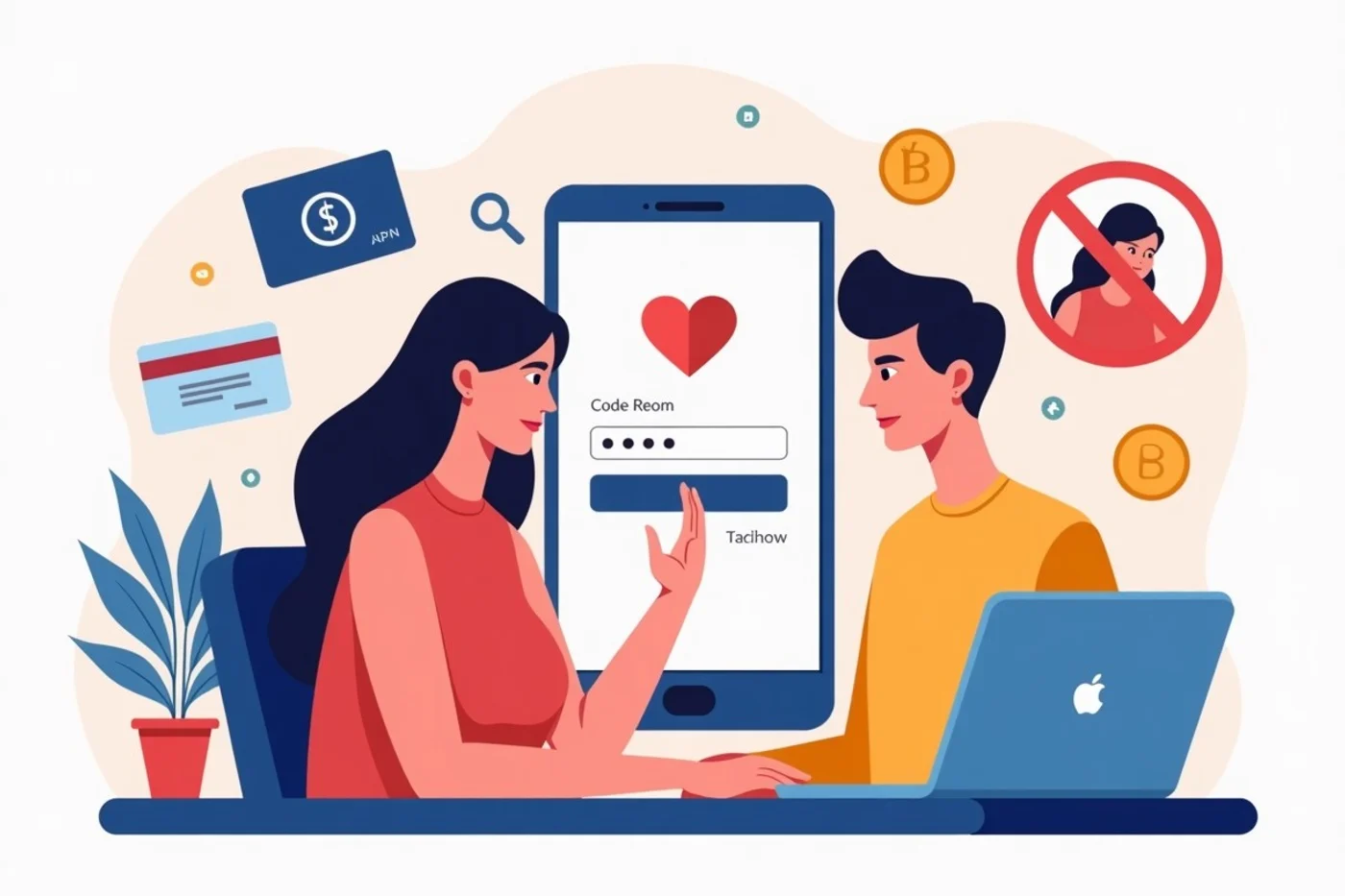
Money requests settle the question fast. Do not send a transfer, gift card number, cryptocurrency, investment deposit, or money for a ticket, medical bill, customs fee, or emergency. The story behind the request does not change what is being requested.
Access requests belong in the same category: bank logins, one-time verification codes, photos of a driver's license or passport, a mailing address used for package forwarding, or permission to receive and move funds through your account. A dating contact who asks you to open an account, accept a deposit, reship a package, or lend an existing account is asking you to carry risk that belongs to them.
Ordinary dating uncertainty and coordinated manipulation require different responses
- Circumstance: Scheduling friction What It Looks Like: A date reschedules, replies late, or acknowledges a conflict without creating a crisis. Response: A concrete new plan is enough; a single delay does not warrant hours of investigation.
- Circumstance: Emergency with a financial hook What It Looks Like: A fresh disaster arrives with a deadline, an untraceable payment route, and a reason nobody else can help. Response: End contact. The emergency story is being used to make urgency outrank judgment.
- Circumstance: Identity gaps and secrecy What It Looks Like: Names, jobs, locations, or photographs conflict, while the account demands that you keep the relationship private. Response: End contact and report the account; private investigation only gives the account more time to work on you.
End contact, preserve evidence, and report the account
Once the conversation has crossed this line, no reply is needed. A saved record should include screenshots of the profile and messages, usernames, email addresses, phone numbers, payment requests, receipts, transaction confirmations, and dates. Blocking the account after saving those records ends its route back to you. Further replies supply more material for pressure, guilt, or a new explanation.
Current instructions should be verified directly through the FTC, the FBI Internet Crime Complaint Center (IC3), and the dating platform where the account appeared. Reporting may not recover money or identify the person behind the account, but it documents what happened. When money or account details changed hands, the relevant bank, card issuer, payment provider, or cryptocurrency exchange needs prompt contact through an official route. Official websites and independently located phone numbers are the routes to use; details supplied by the account are part of the risk.
Feeling foolish is a common reason people stay quiet after a suspected scam. The immediate task is protecting accounts and filing reports, not reconstructing every lie. A promising connection does not require secrecy, emergency payments, or a private financial rescue. When any of those appears, ending the exchange and bringing the records to the platform and reporting service is the sound decision.