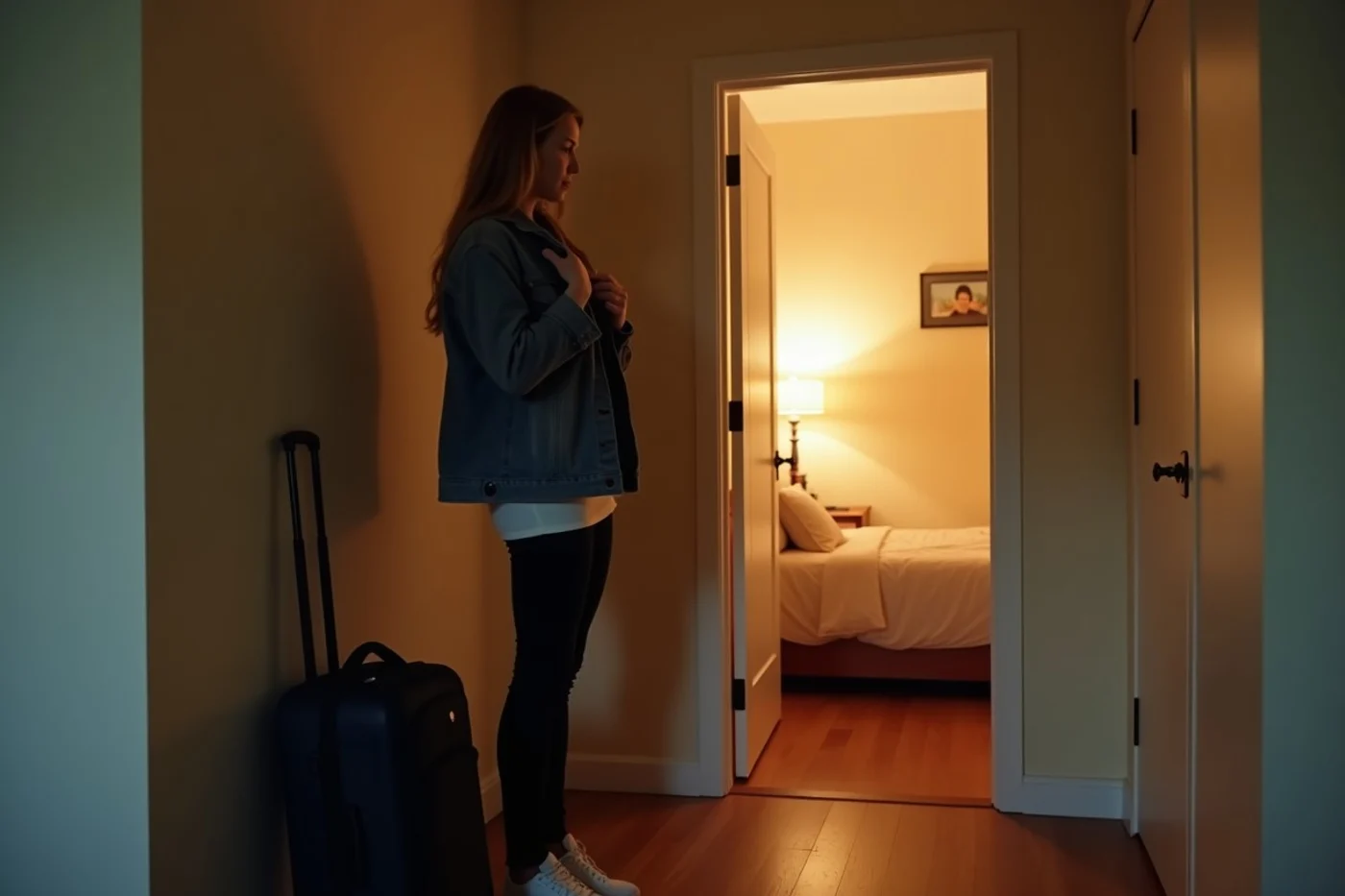
Sharing a home with an ex changes the conditions for dating. You can meet someone new while living under the same roof, but the arrangement needs a final breakup, separate daily lives, and a plan that keeps the new person out of household confusion. Separate bedrooms alone aren’t enough. The other person needs to know what the home situation means, how much contact remains, and where dating fits outside that shared address.
Published by Dating Again
Shared housing changes what dating requires
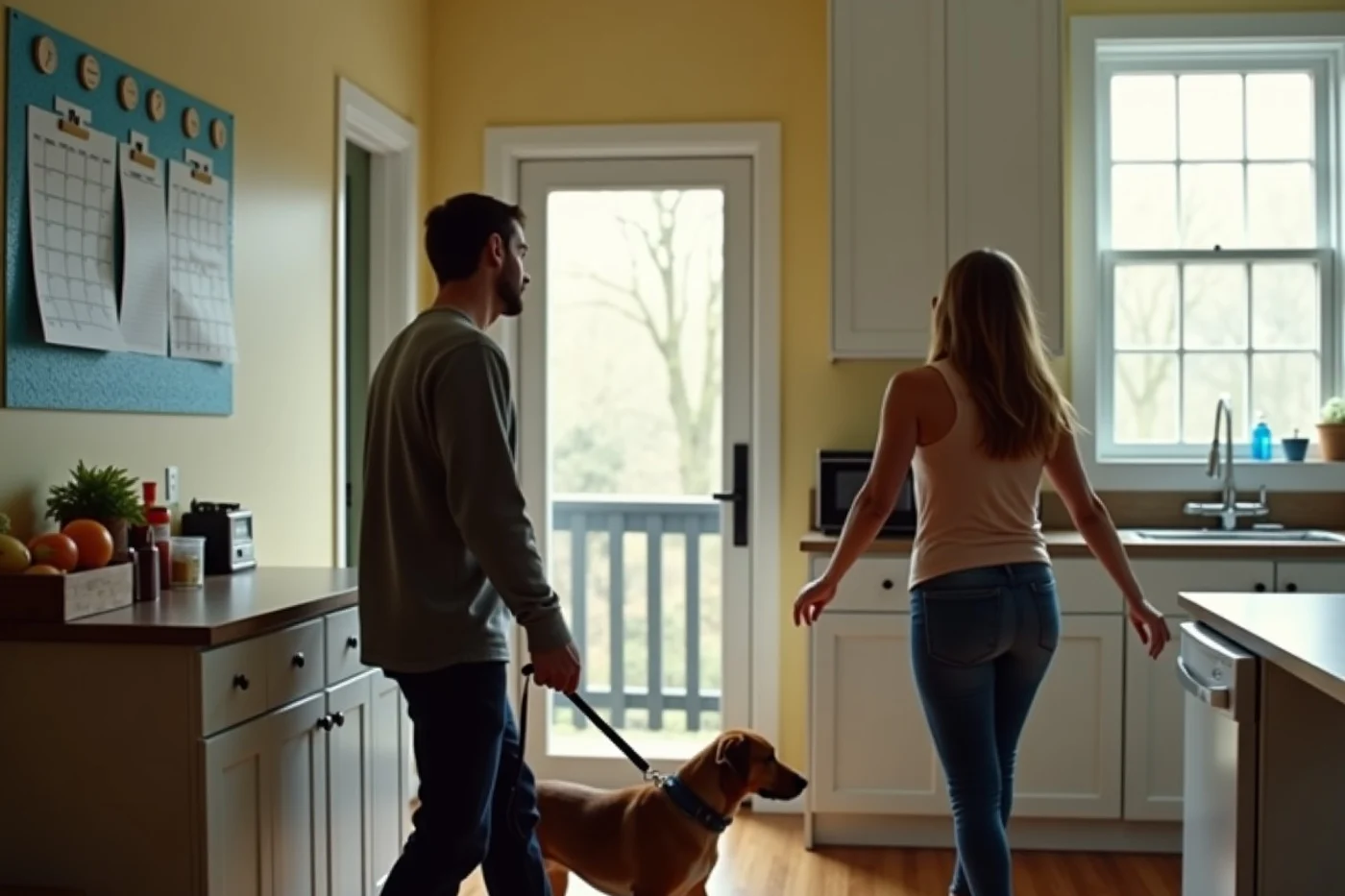
A shared kitchen, a joint calendar, or an ex who is still present when you leave for a date keeps the old relationship visible in daily life. The romantic relationship may have ended, yet privacy and emotional separation remain unfinished when one person still hears the other’s calls, handles the other’s errands, or returns to the same home after seeing someone new. That setting affects your availability as well as a new date’s sense of security.
Someone you meet has to place themselves in a household they don’t control. They may wonder whether the breakup is final, whether the former partner knows about the dates, and whether a disagreement at home will spill into the new connection. Dating is workable when those answers are settled in ordinary behavior, not just stated as intentions: separate routines, private conversations, and enough freedom to spend time together away from the house.
Would dating be fair to everyone in this household?
A date that begins with an ex walking through the kitchen, sharing the evening schedule, or asking who is calling carries more uncertainty than a date held outside that household. The arrangement deserves a pause when the breakup is still being negotiated, arguments are frequent, or one person relies on the other for everyday emotional support.
Dating has a firmer basis when both former partners accept the ending, have private sleeping spaces, and handle their own time and money. The new person also needs a place in the connection that isn’t secret or squeezed between household disputes. When bringing someone into your life would expose them to jealousy, sudden cancellations, or pressure to take sides, waiting for a more independent setup is the fairer decision.
When the former couple has separate rooms but shared responsibilities
Separate bedrooms change where each person sleeps; they don’t automatically change who buys groceries, walks the dog, pays a shared bill, or reports every arrival time. Pets, guests, work schedules, and co-parenting can keep former partners closely tied. Those duties become a problem when they require the same access, constant updates, or couple-like decisions that leave little private time for a new relationship.
Before dating becomes regular, the household needs defined limits around chores, expenses, visitors, and schedule changes. Co-parents also need a plan for which conversations belong to parenting and which belong to the finished relationship. A new date shouldn’t be recruited into those arrangements, asked to conceal visits, or expected to accept cancellations that come from an undefined home life.
Disclosure, privacy, and household boundaries

Tell a new date about the shared home before the connection becomes serious and before they are invited to that home. The explanation needs three facts: the relationship has ended, the living arrangement is temporary or financially necessary, and the boundaries that govern daily contact. A first-date biography doesn’t require every detail of the breakup. It does require enough information for the other person to judge whether this situation suits them.
Privacy has two sides here. The former partner shouldn’t read dating messages, track plans, enter a private bedroom, or receive a running account of dates. A new person shouldn’t be turned into a secret whose visits, calls, or name must be hidden from someone in the house. Use neutral meeting places while the arrangement is unsettled, and give dates advance notice about where you live and who else is there. A date who feels misled after learning the truth will have difficulty trusting the rest of the explanation, even when the breakup itself is over.
Can the arrangement support a new relationship?
Independent routines are the strongest sign that the household is functioning as shared housing: each person controls their free evenings, guests are discussed without permission-seeking, and conflict stays out of dating plans. A former partner who checks your phone, monitors departures, becomes jealous, threatens retaliation, or insists that dates remain hidden is still exerting relationship control. Dating should wait while those conditions continue.
The same decision applies when you keep returning to the ex for comfort, sleep together, or use a new person to provoke a reaction at home. Those actions leave the new connection carrying an unresolved relationship. A separate address is not the only workable outcome, but independent behavior is required.
Dating now or waiting for separate homes
Meeting people before a move gives you a chance to learn what dating feels like again, yet every new connection begins with the complication of a shared address. Honesty, private time, and calm household routines reduce that burden. Dating belongs on hold when you have no private way to communicate, your ex controls access to the home, or every date requires a cover story.
Waiting for separate homes creates cleaner privacy and fewer explanations, especially when the breakup is recent or the housing plan is already underway. It also postpones meeting people until the practical separation matches the emotional one. The key decision is not a fixed number of weeks or months. It is whether a new person can date you without being drawn into your former household, and whether you can leave a date, come home, and keep those two parts of life distinct.
Living with an ex doesn’t automatically rule out dating, but unresolved household behavior does. Check that the breakup is final, daily responsibilities have clear limits, and new dates can receive the truth without becoming a secret or a witness to conflict. When those conditions are absent, postpone dating while you create more independence at home. When they are present, keep early dates outside the house and let trust build around the life you are actually living.