
After an abrupt breakup, you may be scrolling through dating profiles while the shared furniture is still being sorted. Let the first few meetings show you what dating feels like now, rather than using them to confirm that you are desirable, healed, or ready to replace the relationship that ended.
Published by Dating Again
A sudden ending can disrupt both grief and dating confidence
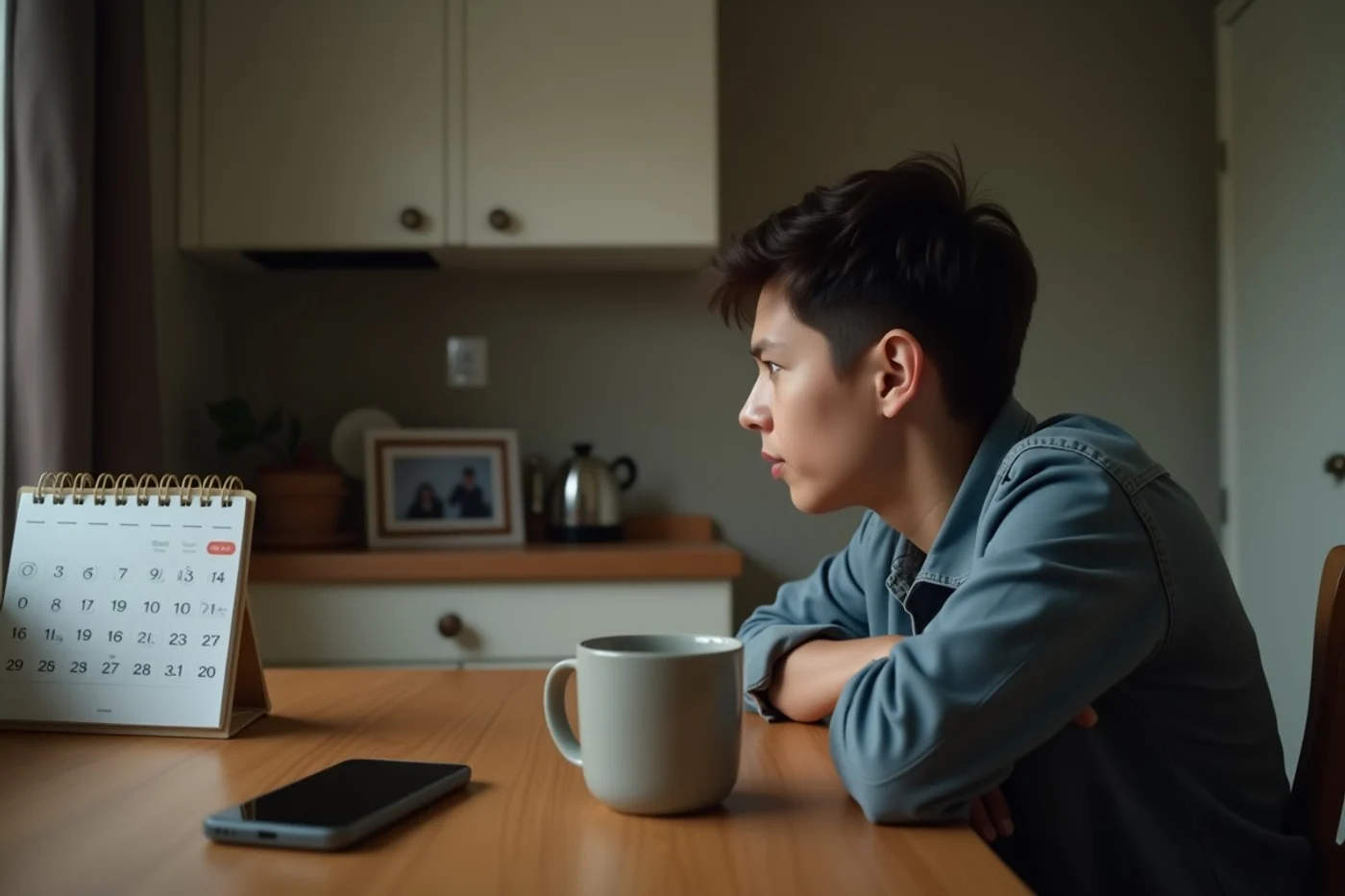
A relationship that ends without much warning leaves two injuries at once: the loss itself and the collapse of your sense that you understood what was happening. Work, errands, and dinner with friends can continue on schedule while your mind keeps returning to the final conversation, missed signs, or a question with no answer. Dating then carries extra weight. A match or a good first date can feel like evidence that you are still wanted; a silence after texting can land like another rejection.
That urgency often looks like readiness because it creates motion. It is usually a wish to restore the familiar shape of life: a person to tell things to, plans on the calendar, a hand to reach for at night. None of that means you have to stay home indefinitely. It does mean a new date should not be asked to settle the unfinished questions from the ending.
Clues that dating is being used to find answers or relief
- Dating Impulse: You need a match, reply, or second date to feel acceptable after being left. What It Points To: Dating is carrying the job of repairing damaged self-worth. A quiet week on an app will feel far bigger than it is.
- Dating Impulse: You are drawn to people who resemble your former partner or want a new relationship to erase the old one quickly. What It Points To: The search is centered on replacement and relief. New people are being measured against an absence.
- Dating Impulse: You want a few conversations, enjoy learning who people are, and accept that most meetings will go nowhere. What It Points To: Curiosity is present. That is a sturdier reason to meet someone, even while sadness remains.
- Dating Impulse: You book dates when the unanswered ending feels loud, then lose interest once the loneliness eases. What It Points To: The date is functioning as a distraction. Pause app activity until the urge no longer arrives as an emergency.
Feeling socially ready while emotions still lag
Enjoying a drink with someone new is not the same as being ready for the uncertainty that follows. You may laugh easily, flirt, and feel relieved to be out of the house, then spend the ride home replaying whether they liked you. That gap matters more after a relationship ended suddenly because ambiguity already has a sharp edge.
Social readiness shows up in small acts: accepting an invitation, making conversation, allowing a date to be merely pleasant. Emotional readiness appears later, when a delayed reply does not send you back into the old breakup, when a stranger's lack of interest does not become a verdict on your value, and when affection does not trigger a rush to lock down certainty.
After ten years with the same partner, you may need practice with the mechanics as well as the feelings: picking a place, ending a date, and making plans with someone who has no shared history. That learning curve is normal. Nervousness is not the warning sign. The concern is being unable to stay present once a meeting becomes personal or uncertain.
A low-pressure reentry plan

- Use one dating app or one social route for a limited window each week. Twenty minutes on two evenings prevents the search from filling every quiet moment.
- Choose coffee, a walk, or a drink near home, with a clear endpoint. A Thursday coffee fifteen minutes away leaves you room to decompress; a ninety-minute dinner across town turns a tentative meeting into an obligation.
- Schedule one date at a time during the first month. Leave the rest of the week for work, friends, sleep, and the routines that belong to your life outside dating.
- A first date only needs to answer whether another conversation sounds appealing. It does not need to establish chemistry, a future, or an explanation for the breakup.
- After each meeting, note whether you felt interested in that person or simply relieved not to be alone. Step back when dates repeatedly leave you more agitated than before.
How much should a new date hear about the sudden ending?
Give the basic fact when the subject comes up: the serious relationship ended unexpectedly, it is over, and you are meeting people because you are open to dating. That level of disclosure is honest without turning a first or second date into a postmortem.
The fuller account belongs elsewhere while it is still raw. Details about who said what, theories about why it happened, and requests for a new person's interpretation pull attention away from the date itself. They also show that the old relationship is still setting the terms of the conversation.
There is a middle ground between concealment and a complete history. Answer a reasonable question briefly, then return to the present. Someone worth seeing again will learn more over time through a relationship that has earned that depth.
New connection or escape from unresolved uncertainty
Interest in a new person has a shape of its own. You notice how they treat other people, remember something they said, and want another hour with them because their company holds your attention. Escape feels different: numbness after the date, panic when they pull back, a need to post or report the date, or a sudden urge to intensify things because the old loss is flaring.
Repeated emotional crashes after dates are a reason to stop booking more. So is checking whether your former partner has moved on before every meeting, or dating mainly to provoke jealousy in someone who is no longer there. Pausing is not defeat. It keeps a rough ending from deciding who gets access to you next.
Pick one modest action this week: create a profile, accept a short daytime date, or delete the app for now. Take the action that leaves you feeling more grounded afterward, not the one that promises the fastest relief. That feeling says more about your starting point than any calendar rule.